
2026 style predictions, for real life
by Oliviapublished Mar 02, 2026

Some clothes look perfect in the store but sag, pill, or lose color after a few washes. Most of the time, it’s in the fabric. Understanding weight and fiber composition can help you choose pieces that truly last.
Fabric weight and density
GSM stands for grams per square meter. It measures fabric density and gives a good sense of durability.
Cotton: 180–300 GSM is ideal for tops and shirts. Lighter than 180 GSM may feel flimsy and wear out fast.
Denim: 250+ GSM usually holds shape and resists fading.
Knitwear: 200–400 GSM works well. Anything lighter may stretch or pill easily.
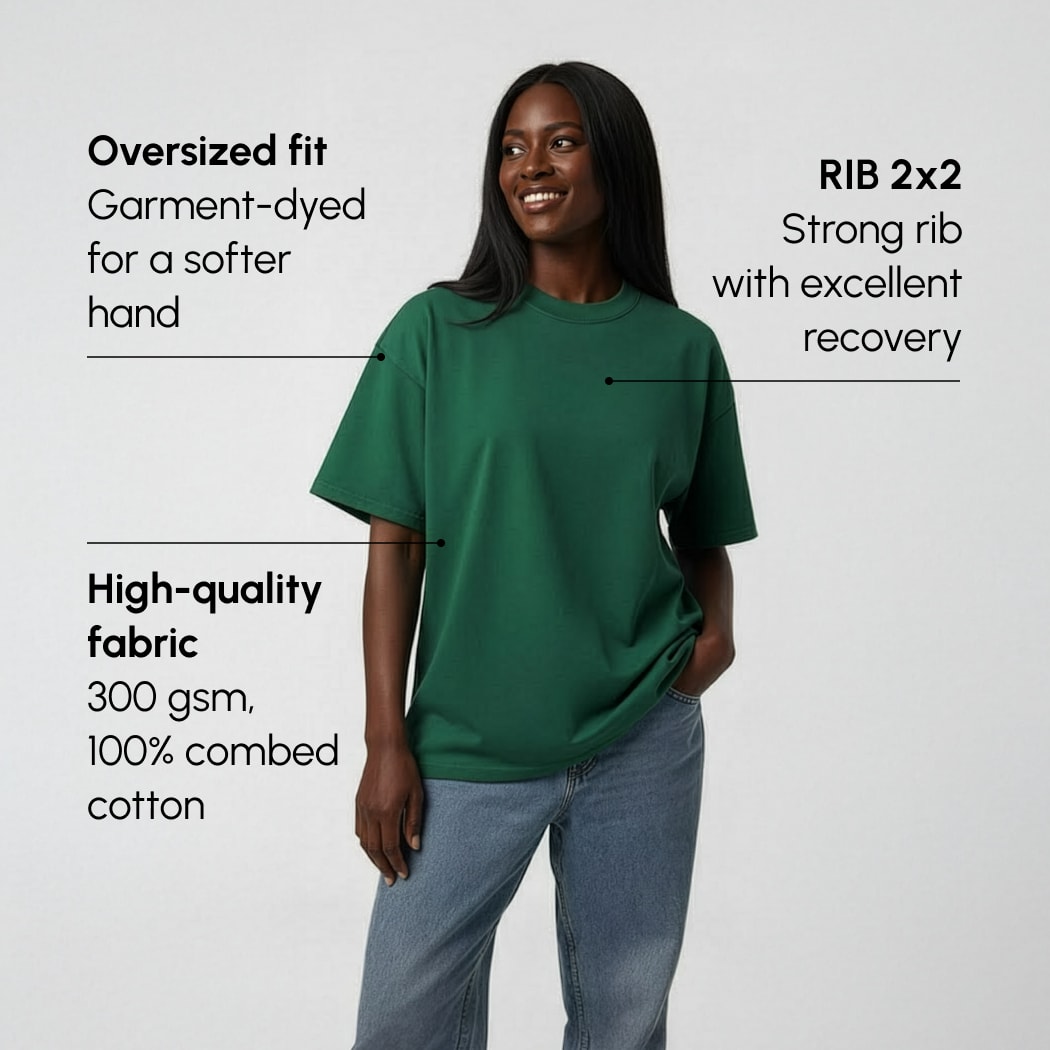
Quick test: Hold the fabric to light. If it’s see-through (and not meant to be sheer), it’s probably too thin. Stretch gently: good-quality fabric bounces back; weak fabric stretches and stays loose.
Understand fiber blends
Fiber composition affects durability, feel, and care.
Best natural fibers
100% cotton — soft, breathable, durable if mid-weight.
Wool — warm, resilient, holds shape, resists wrinkles.
Silk — delicate but long-lasting if handled gently.
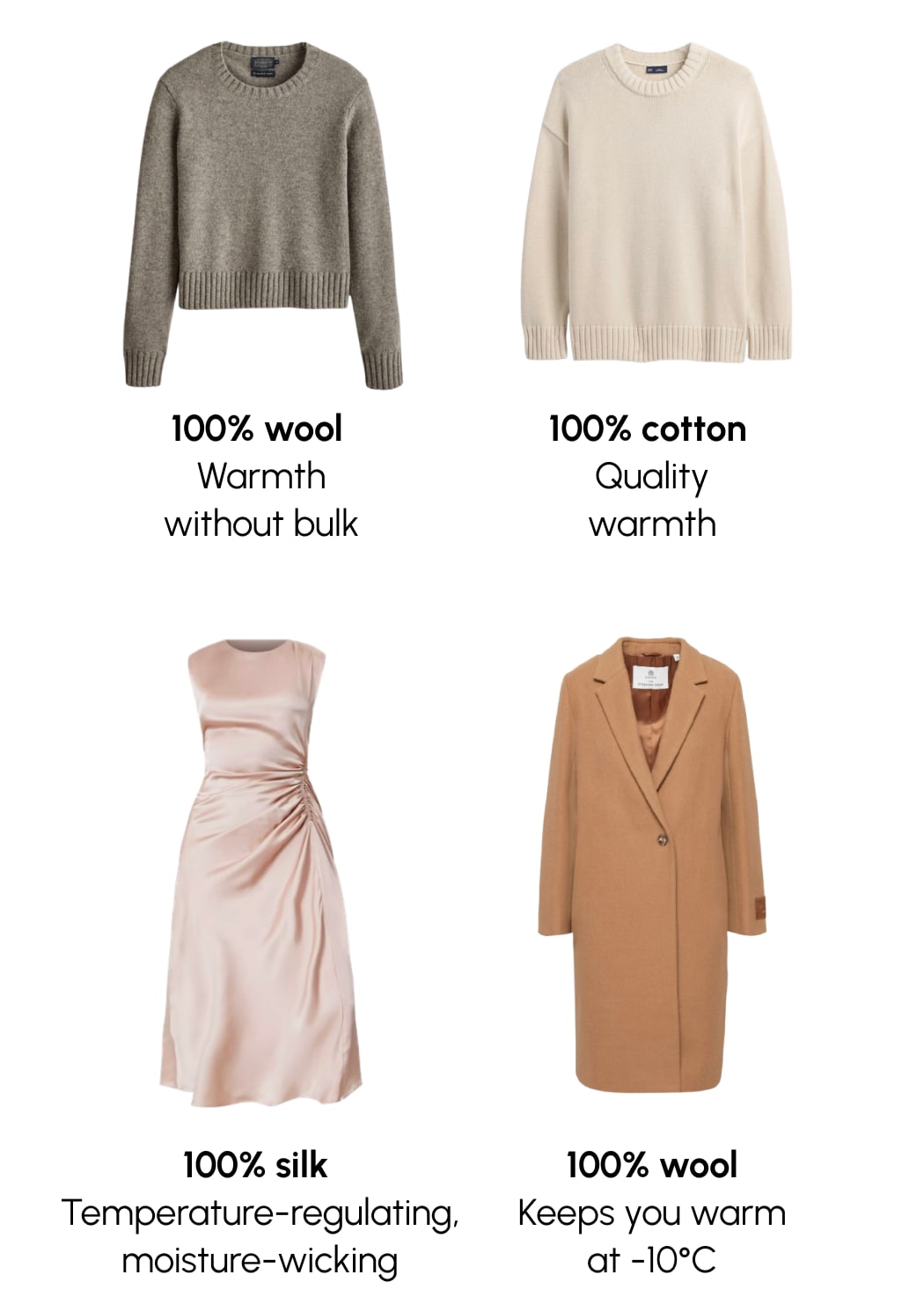
Strong blends
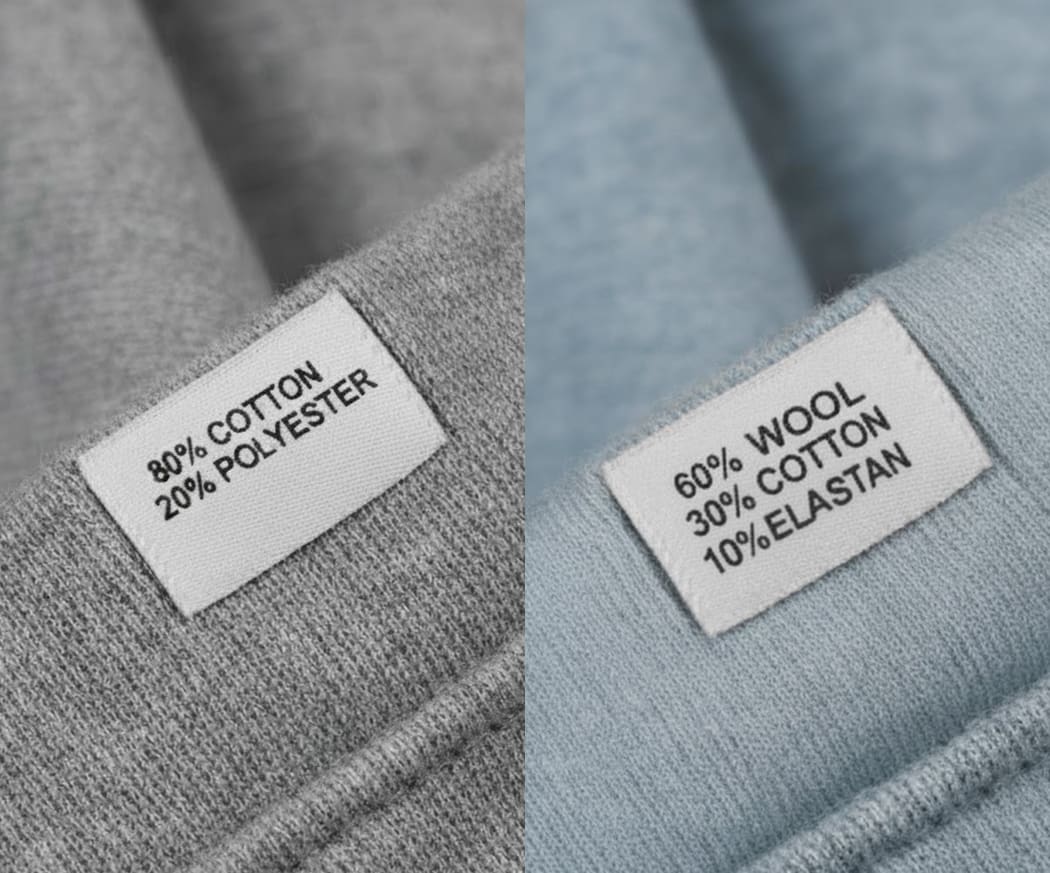
Blends to be cautious of
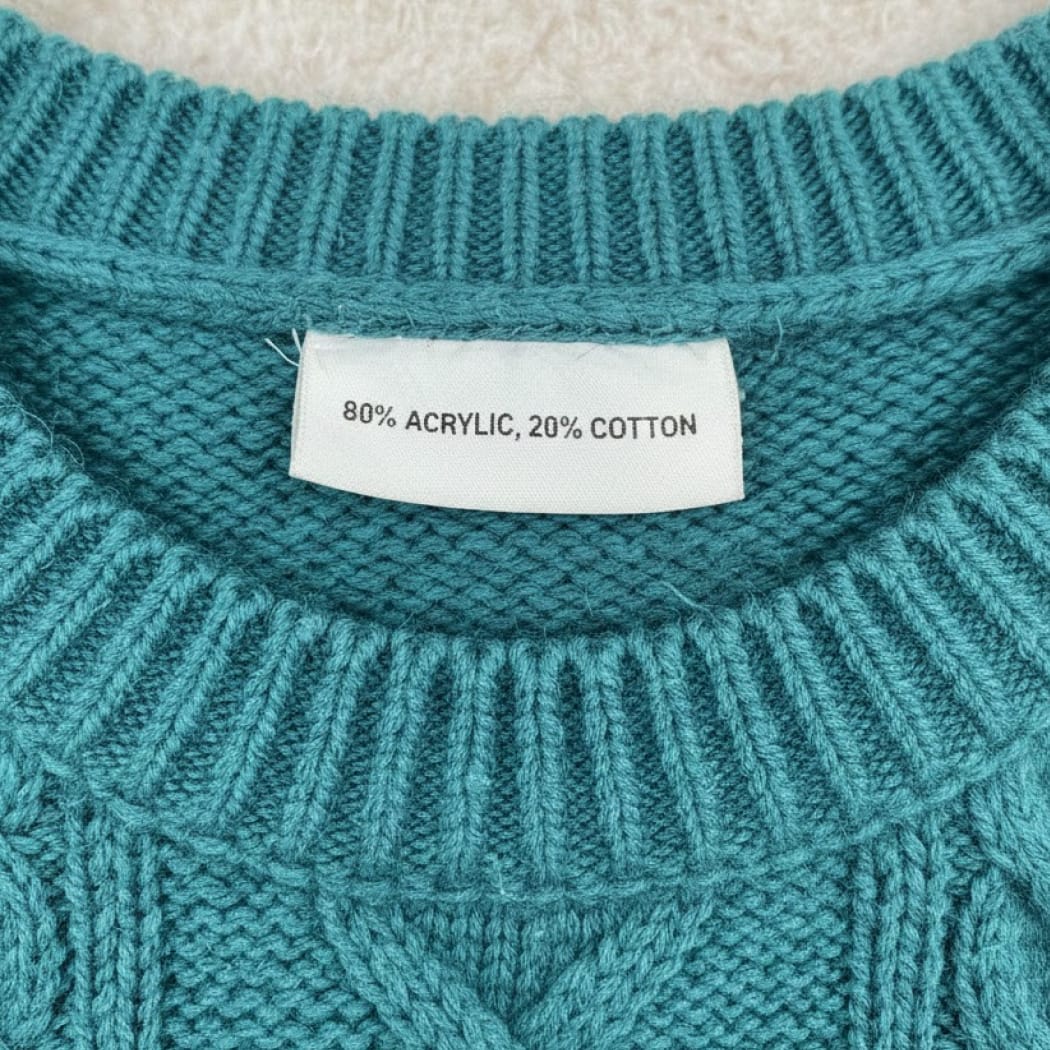
The right fabric makes all the difference. Thoughtful choices keep your clothes looking and feeling great.
Want more advice like this? Hit ‘like’ and discover practical tips for your everyday style.
Connect with us


Ready to Find Perfect Style?
Take a style quiz