
2026 style predictions, for real life
by Oliviapublished Mar 02, 2026

Let’s explore the quiet foundations of how color meets your face: undertone and contrast. These aren’t about light or dark – they’re about temperature and relationship. Your undertone sets the mood of your palette, and your contrast decides how much depth feels right. Notice them clearly, and you gain a steady key to why some shades feel like home.
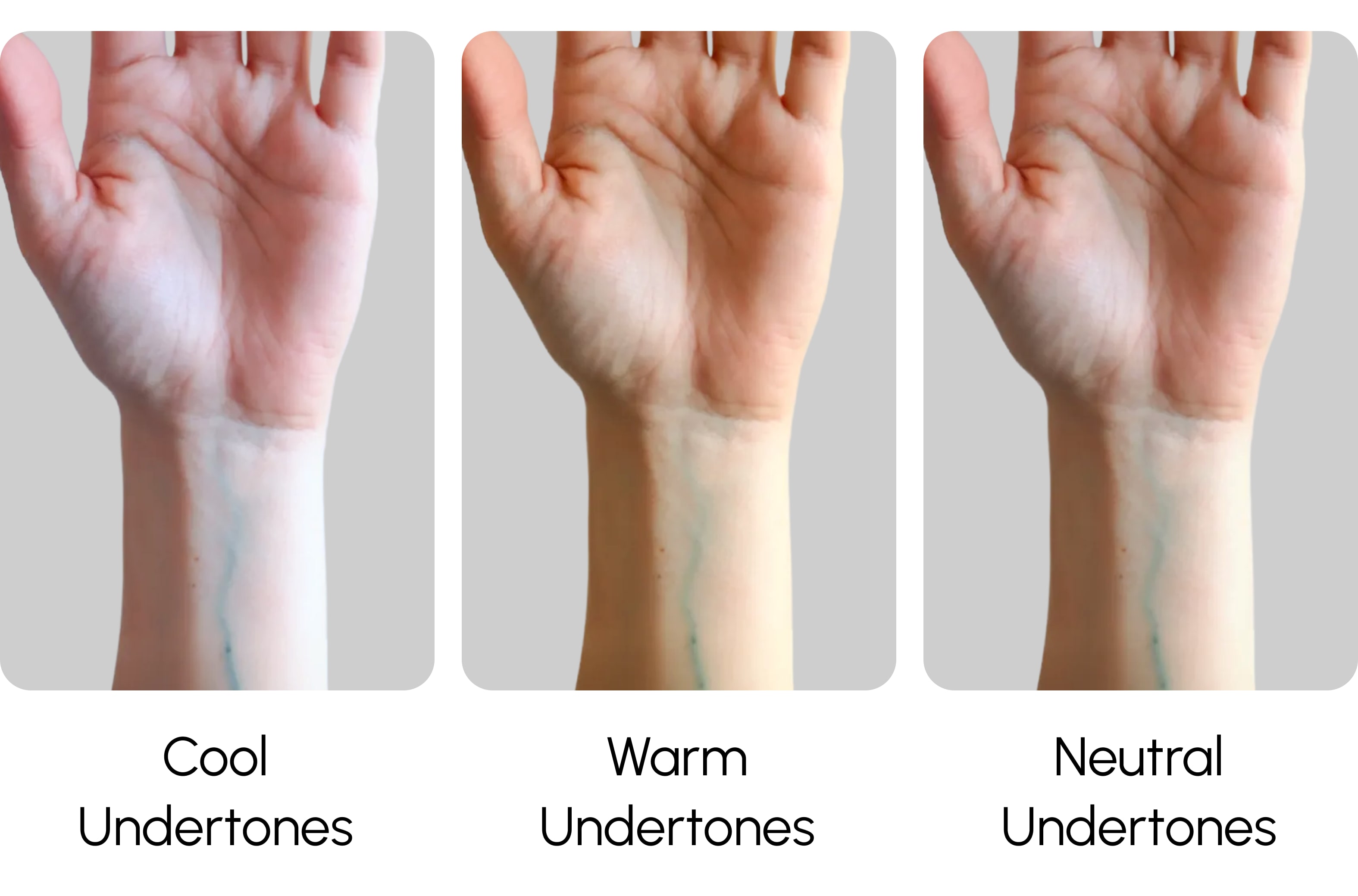
Examine the veins on the inside of your wrist in natural daylight.
Cool undertones: your veins appear blue or purple.
Warm undertones: your veins look greenish or yellowish.
Neutral undertones: your veins appear colorless or have a muted color, so you can't tell for sure whether your veins are blue or green.
Try metal accessories in different colors and check which one complements your skin better.
Cool undertones: silver, pink, or white gold jewelry complements your skin better.
Warm undertones: gold jewelry highlights your natural glow.
Neutral undertones: both silver and gold jewelry look good on you.

Stand in front of a mirror in natural light and hold a sheet of white paper up to your face.
Cool undertones: your skin looks rosy or pinkish next to the white paper.
Warm undertones: your skin seems more yellowish or golden.
Neutral undertones: your skin doesn’t look pink or yellow; it appears balanced.

Foundation is crafted with defined undertone pigments, which can gently highlight the tones your skin naturally carries within.
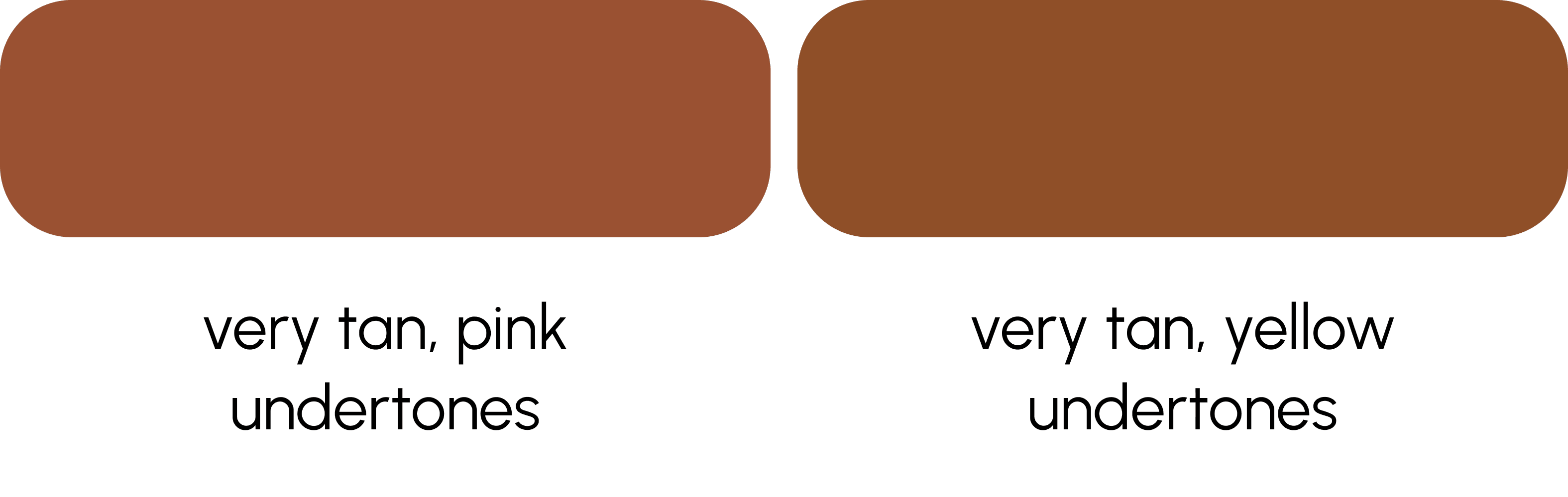
Golden, olive, or amber tones disappear into your skin, you’re likely warm.
Blue-red, or cool rosy pigments blend in effortlessly - you’re likely cool.
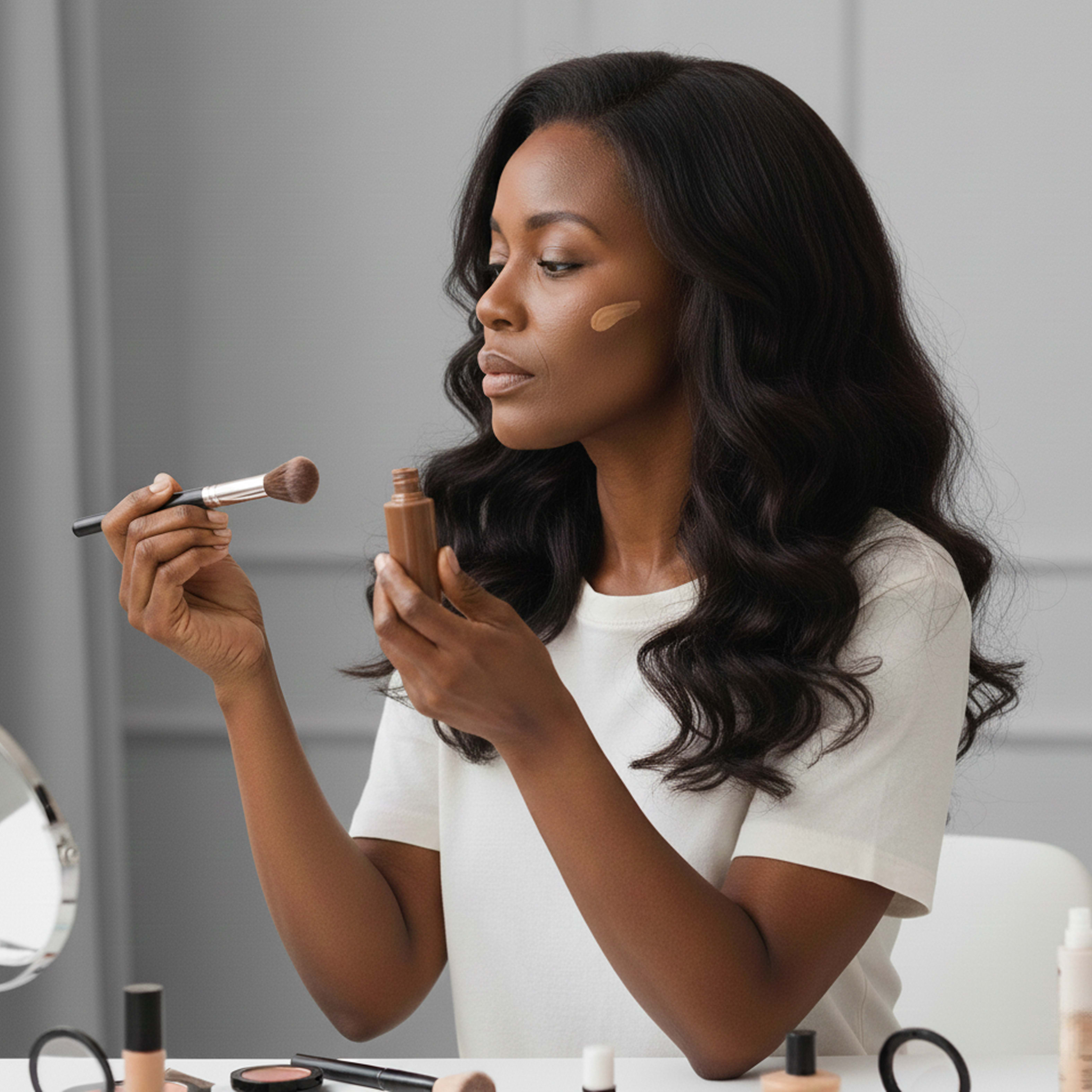
For Black women, this step can feel especially helpful, because deeper foundation ranges are formulated with a more accurate pigment structure. They often make your true undertone easier to recognize.
Whichever undertone shows up in two tests is usually your true undertone.
Understanding your color contrast is about observing the difference between the lightest and darkest elements of your face – your skin, hair, eyes, and brows – rather than focusing on skin tone alone. Here’s a simple, practical way to figure it out:
Low contrast: hair, brows, and eyes are only 1-2 shades darker than your skin. Your face looks soft and blended.
High contrast: hair, brows, and eyes are 3-4+ shades darker than your skin. Your features stand out sharply.
Medium contrast: somewhere in between – features are noticeable but not stark

Take a photo of yourself in natural light, wearing a neutral top. Convert the photo to grayscale (black and white).
Low contrast: your features blend gently
High contrast: your features pop strongly
Medium contrast: your features are balanced
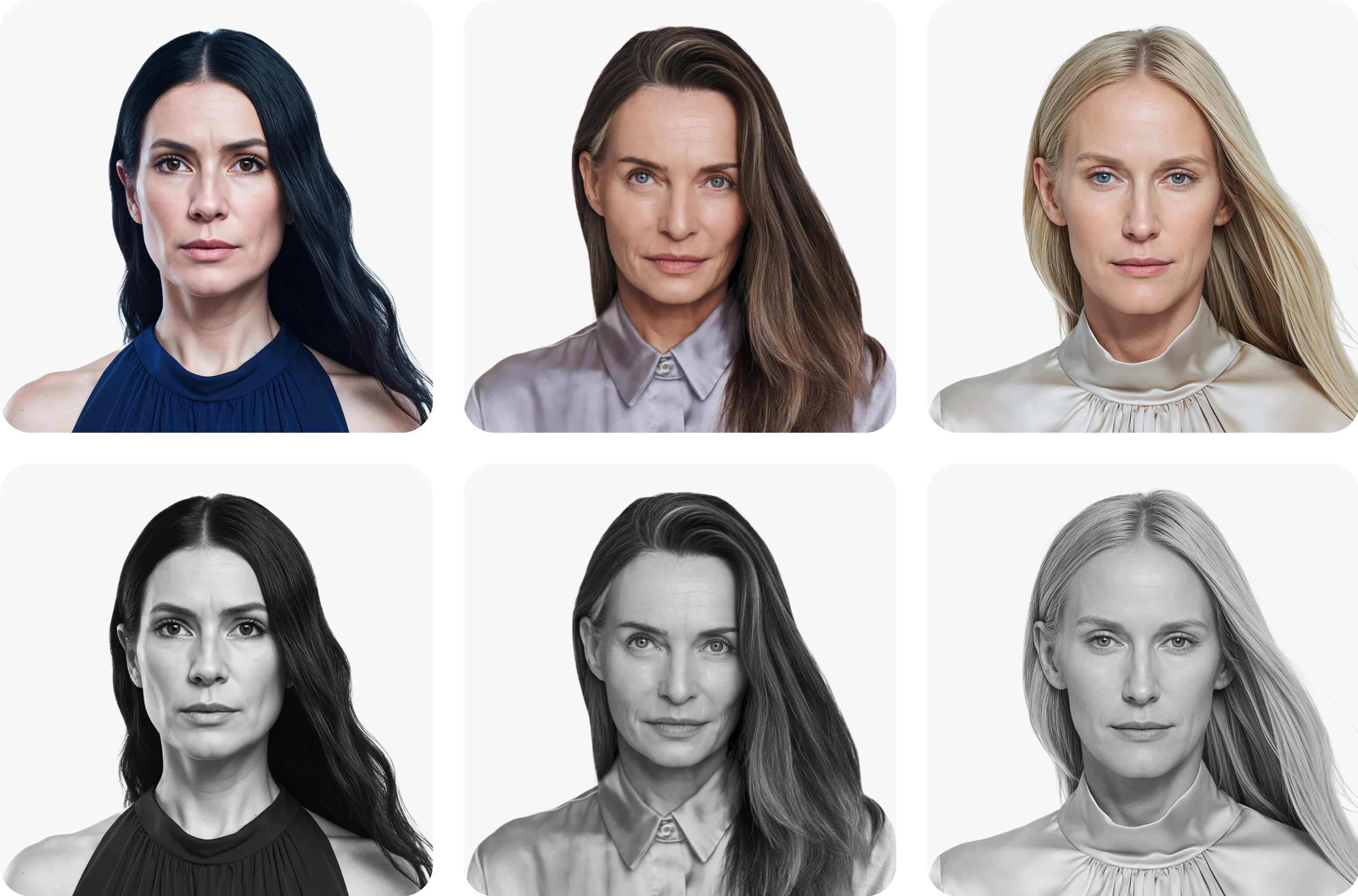
Now let’s see how these two work together. Your undertone sets the mood of your palette, and your contrast decides how much depth feels right.
These examples show how undertone and contrast guide color choices – not restrict them.
High contrast + cool undertone
Try saturated, pure shades that echo your strong definition. Colors like sapphire and emerald, stark neutrals like true white and black, and deep blues and purples.
Your best colors
Base:

Accent:

Low contrast + cool undertone
Choose muted, soft colors like icy pastels, muted blues and cool grays.
Your best colors
Base:

Accent:

High contrast + warm undertone
You shine in bold, saturated warm shades like coral, turquoise, and vibrant orange.
Your best colors
Base:

Accent:

Low contrast + warm undertone
Try soft, muted, and earthy tones that don't create a stark contrast. Go for warm beige, olive green, terracotta, rust, and soft browns for a cohesive look.
Base

Accent

Neutral undertone + medium contrast
Think taupe, charcoal, mushroom and dusty plum. These shades create gentle definition without overpowering your features, keeping the palette cohesive and refined.
Base
Accent

Undertone and contrast aren’t limits – they’re quiet guides. Once you understand them, color becomes a conversation, not a guess.
Now let’s leave old rules behind, rethink the idea of ‘colors that don’t suit you,’ and celebrate the freedom to wear whatever feels right.
Connect with us


Ready to Find Perfect Style?
Take a style quiz